Understand how site-level atmospheric conditions translate into generation estimates, supporting short-term trading, balancing and long-term origination decisions.
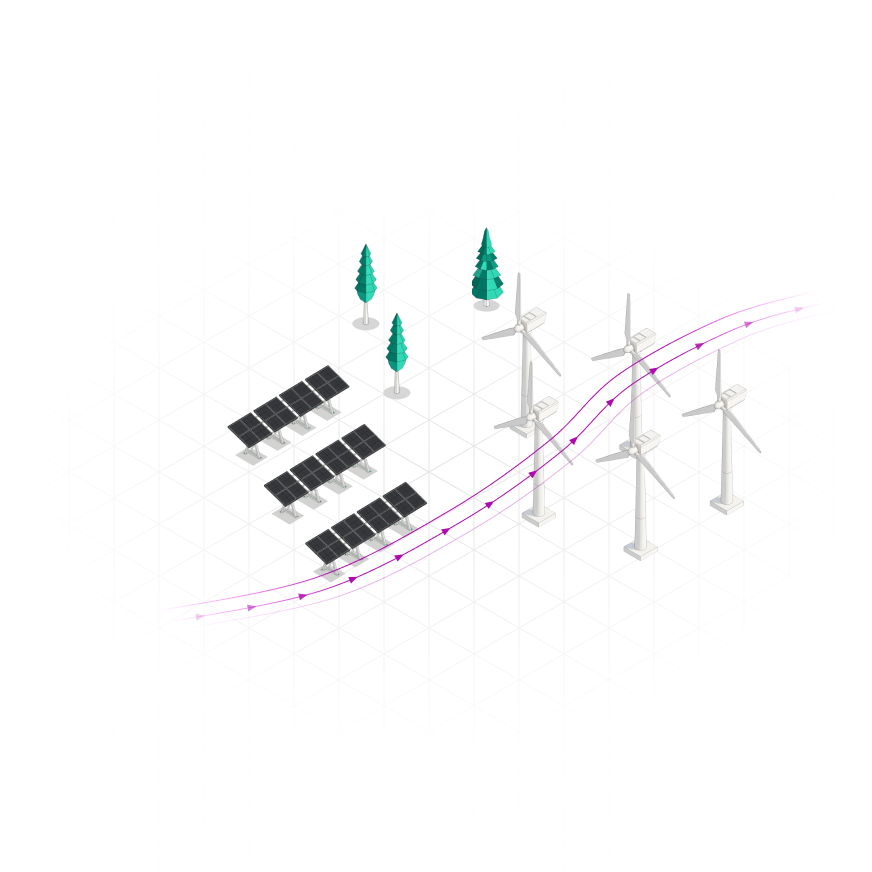
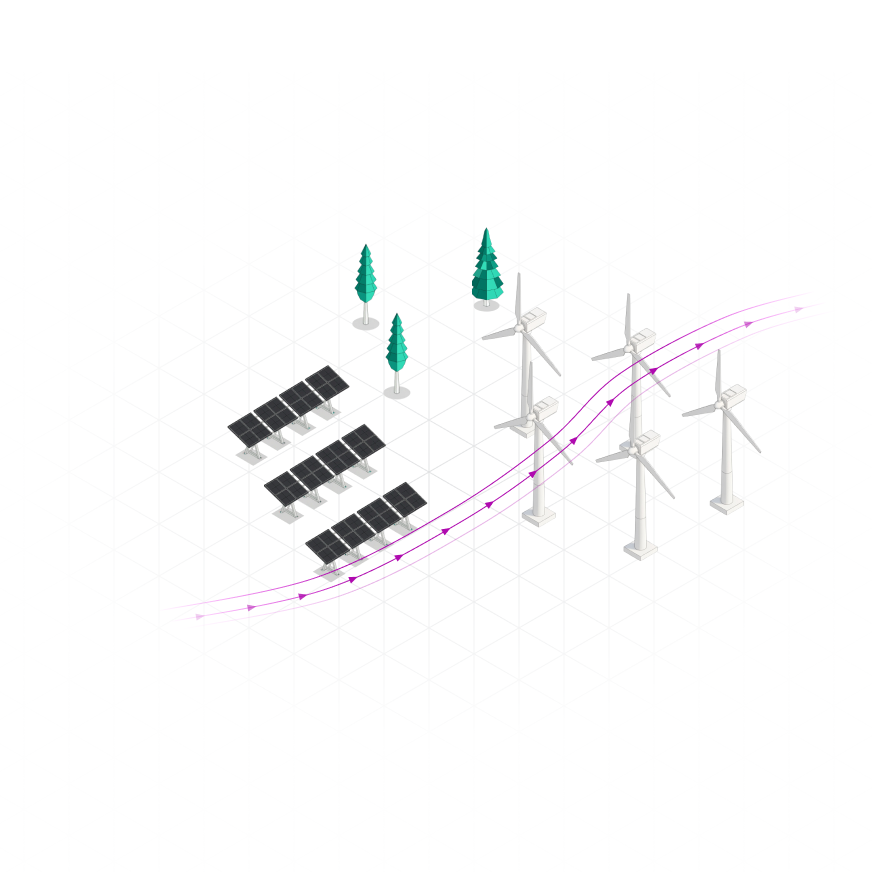
Local weather effects can drive costly forecast errors. A ramp arriving early, wind accelerating over a ridge, a cloud band cutting solar output. Most forecasts start from the same global weather models, so they miss the same events. AI alone doesn’t fix this.
Trained on coarse historical data, it can’t learn local effects that data never captured, and it struggles with rare events.
In trading, those misses become imbalance costs. In origination, they distort the production profile behind capture prices.
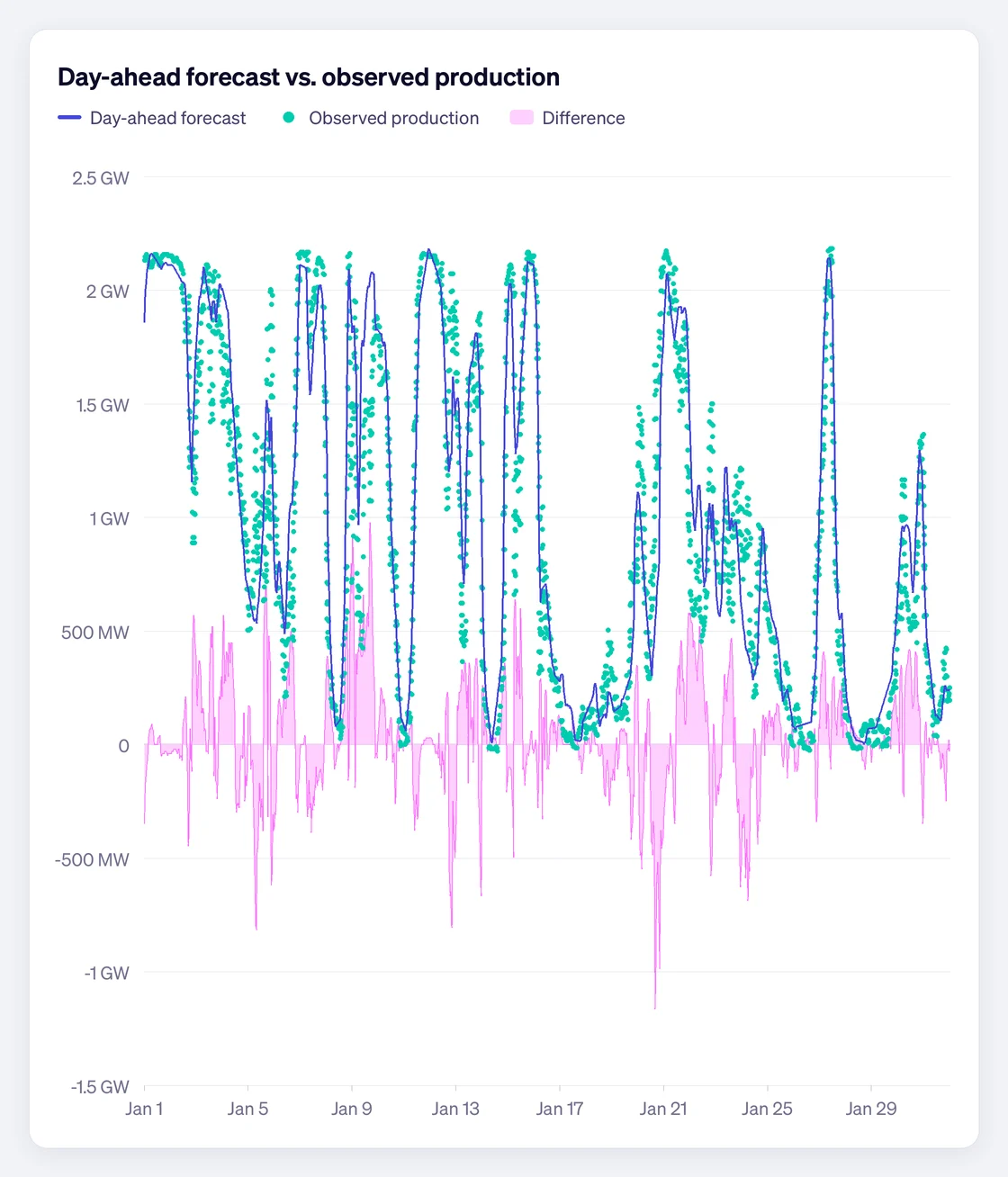
Every difference between forecast and actual generation affects the volume that needs to be balanced. More precise wind and solar forecasts give trading teams a stronger basis for day-ahead positions and intraday corrections.
Hourly and monthly production and capacity-factor profiles capture the timing of expected generation for capture price analysis, site comparison and origination decisions.
Wind and solar power forecasts for day-ahead and intraday trading, balancing and portfolio management.
Historical wind and generation profiles for capture price analysis, site evaluation and origination.
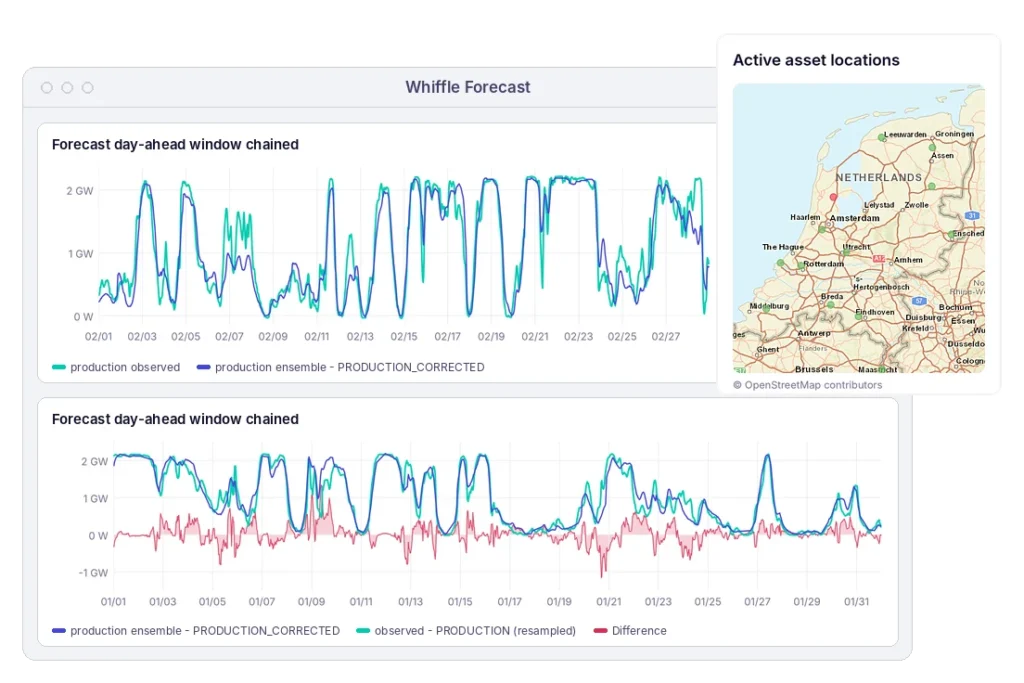
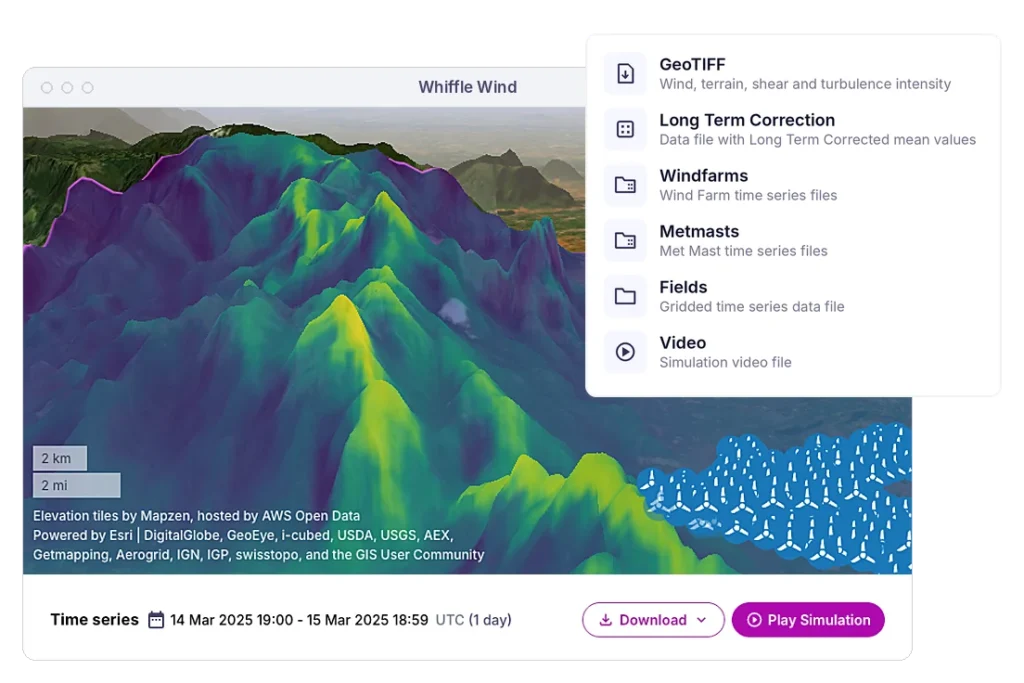
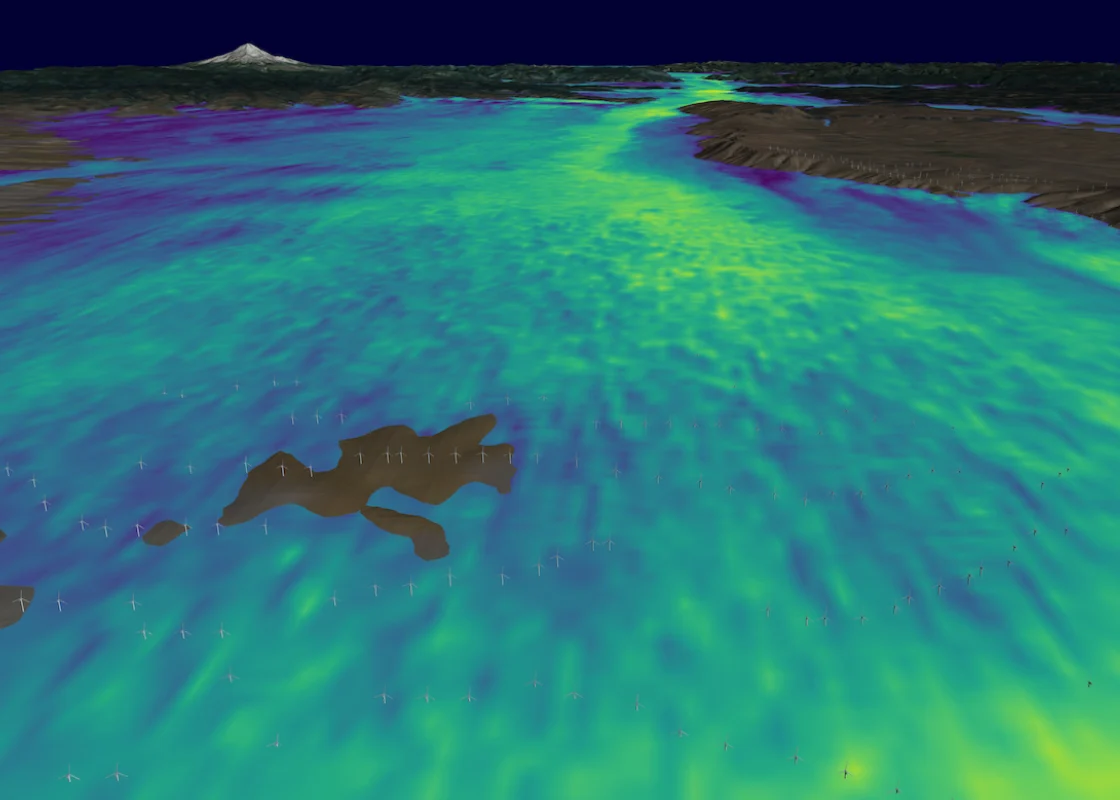
Whiffle combines physics-based Large-Eddy Simulation (LES) with advanced forecasting methods to capture the local weather effects that influence renewable generation.

Resolve terrain-driven winds, ramps and cloud development at each asset, where regional forecasts lose detail.

LES adds the local signal, machine learning corrects it against observations, and ensembles show how certain each forecast is.

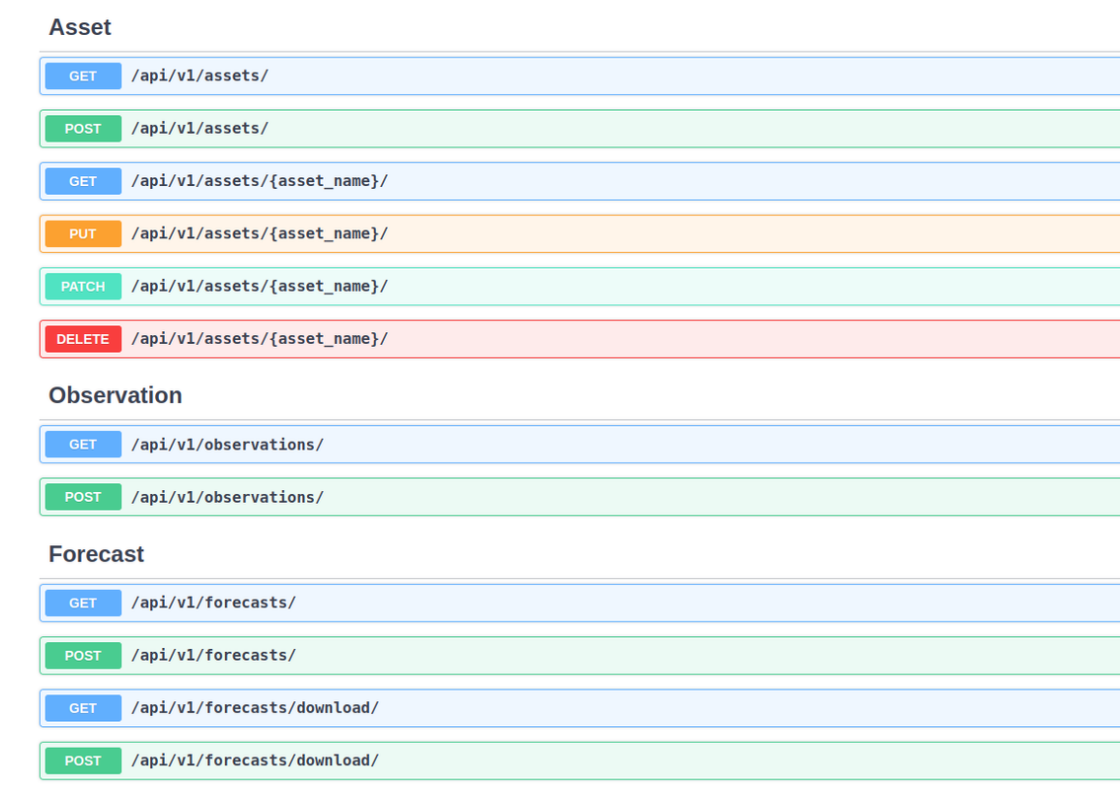
Deterministic and probabilistic forecasts, updated regularly and delivered by API into your day-ahead, intraday and balancing workflows.
Whiffle's forecasting approach has been tested both at the power forecast level and against observed wind conditions at operational wind farms.
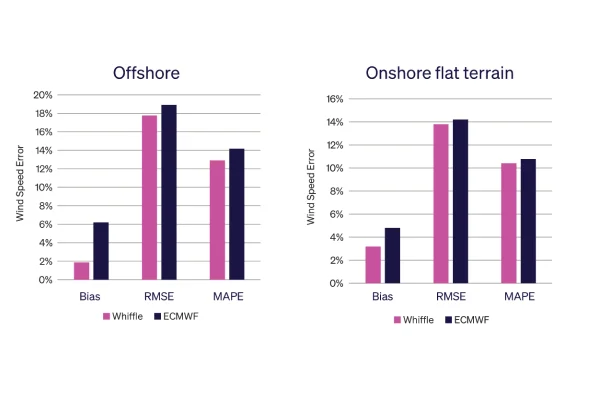

Against SCADA observations at an onshore and an offshore wind farm in northwestern Europe, Whiffle achieved lower wind-speed bias, RMSE and MAPE than ECMWF day-ahead forecasts during 2021–2023.
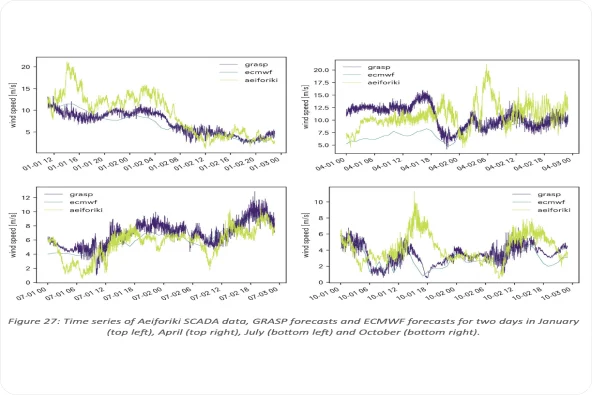
In the EU-funded Smart4RES project, Whiffle LES significantly reduced wind-speed bias against SCADA observations at Aeiforiki wind farm.
Site-level atmospheric modeling can capture local effects that influence renewable generation but may be less well represented in regional models. Whiffle brings this signal into wind and solar power forecasting to support day-ahead positions, intraday corrections and imbalance management.
In day-ahead benchmark testing across offshore, flat-terrain and complex-terrain wind farms, Whiffle Forecast demonstrated up to 30% lower RMSE compared with ECMWF.
Generation Profiles provide hourly and monthly production and capacity-factor profiles, showing when a project is expected to generate as well as how much. They can be used as inputs for capture-price analysis, site comparison and origination decisions.
Yes. Whiffle Forecast provides short-term wind and solar power forecasts for trading and balancing, while Generation Profiles in Whiffle Wind provide longer-term production profiles for capture-price analysis, origination and investment decisions.
Yes. Whiffle provides wind and solar power forecasts for individual assets and portfolios, alongside meteorological forecasts and high-resolution atmospheric data.
Yes. Forecasts and weather data can be delivered via API or SFTP for integration into existing forecasting workflows and in-house models.
Run a live trial on part of your portfolio and evaluate performance alongside your existing forecasting setup.
Meter-scale weather simulation for the sectors where weather drives decisions.
Peer-reviewed papers and technical reports
Articles and perspectives from our team
Conferences, webinars and on-demand recordings
Technical guides for the Whiffle platform
Get help from our team
Atmospheric science and Whiffle news in your inbox
Explore simulations from wind farms to city streets