Understand how conditions vary across sites and venues, and how they change over time, to support competition planning, performance strategies and event operations.
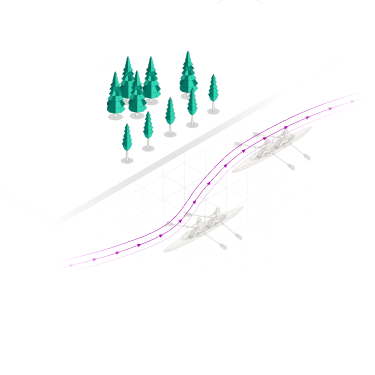
Wind conditions can change considerably over short distances, particularly where terrain, vegetation, buildings or other obstacles influence the flow. A weather station or regional forecast may therefore not represent the conditions experienced across individual sites or event locations.
For organizers, the question is whether these differences are significant enough to influence competition fairness or scheduling. For athletes and performance teams, it’s how local conditions may affect race preparation and strategy. For event operators, it’s anticipating weather changes that could affect planned activities.
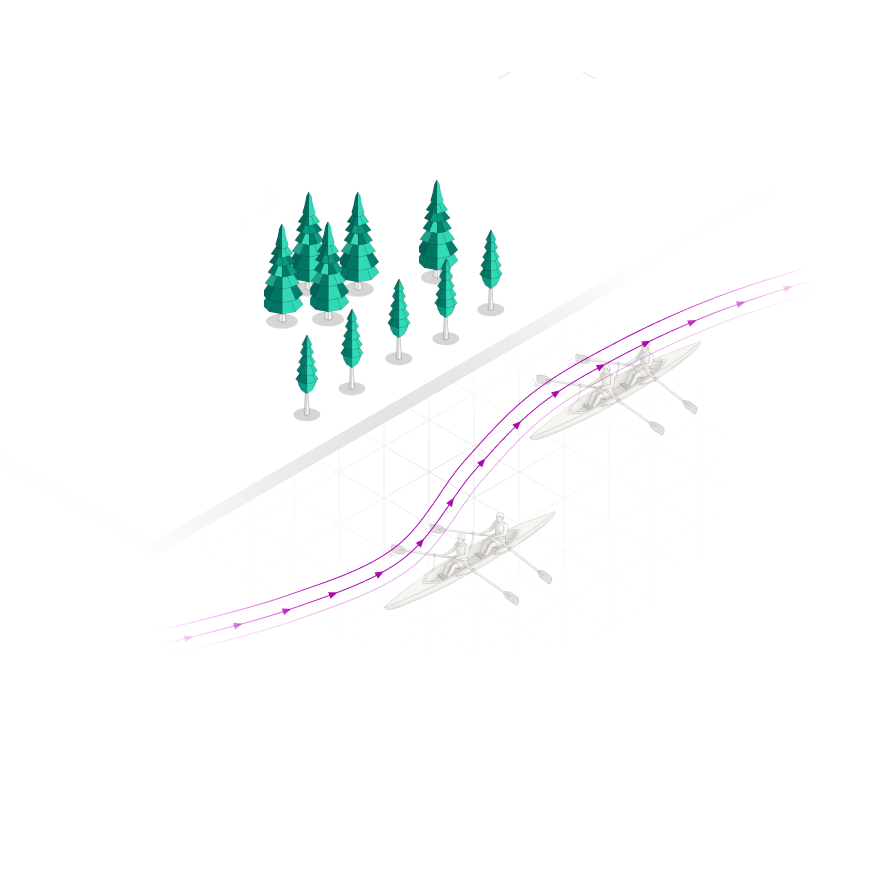
Could competitors in different lanes experience meaningfully different wind conditions? Whiffle can investigate these differences under specific weather scenarios, providing organizers with evidence to assess their potential influence on competition.
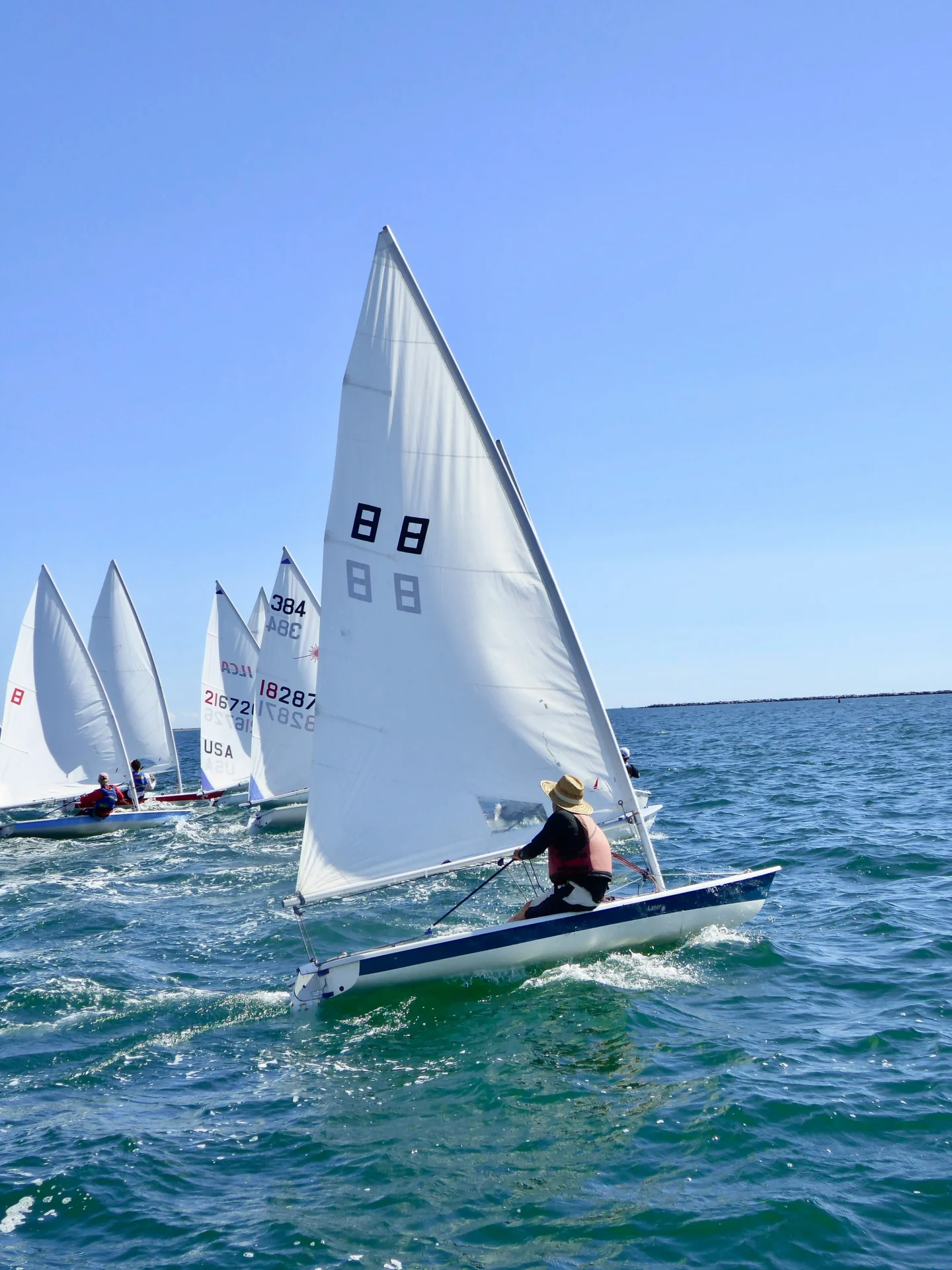
For sports such as rowing and sailing, wind direction, strength and local sheltering can influence race conditions. Whiffle can reconstruct atmospheric conditions during past events or simulate selected scenarios, providing teams with inputs for performance analysis and race preparation.
Outdoor events require forecasts that reflect the locations and periods relevant to their operations. Whiffle's forecasting capabilities can support planning around changing wind and atmospheric conditions, from event setup to competition schedules.
Choose how you want to use Whiffle for your project.
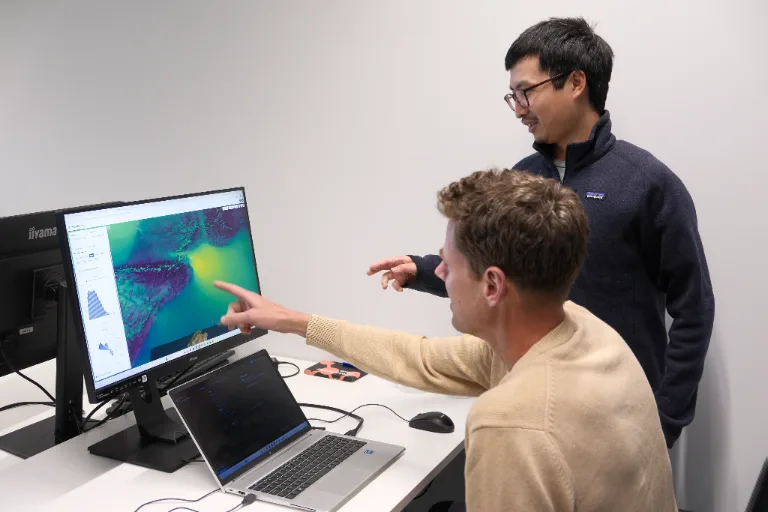
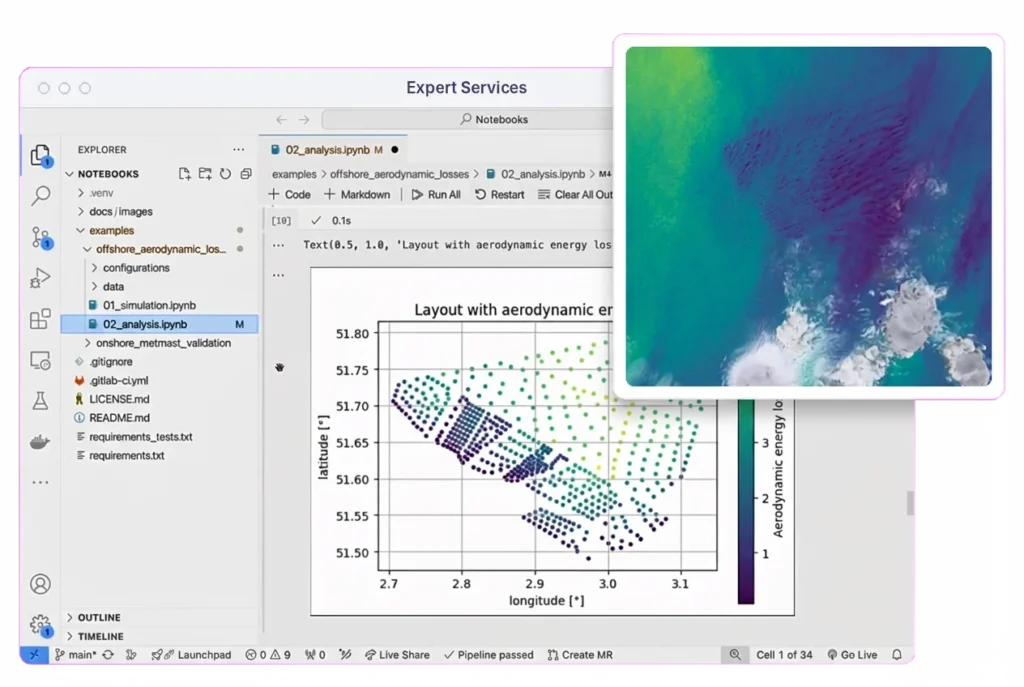
Have a specific competition, venue or weather scenario to investigate? Our atmospheric scientists can scope, run and interpret Large-Eddy Simulations (LES), delivering the outputs required for your assessment.
For organizations with their own modeling expertise, Whiffle License provides access to the LES model for running bespoke simulations within their research or technical workflows.
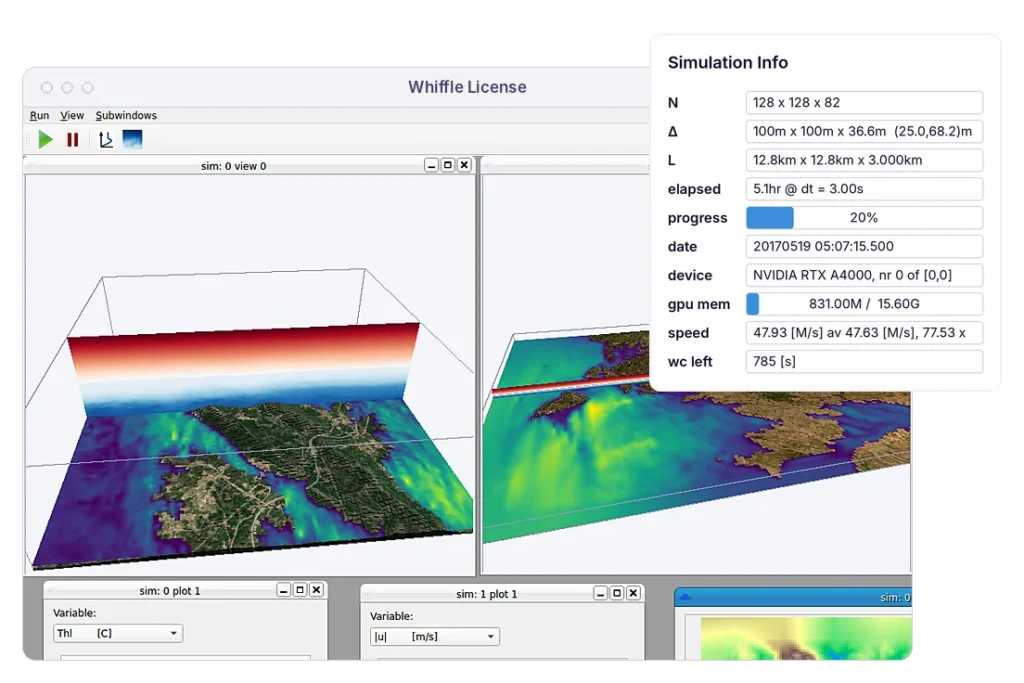
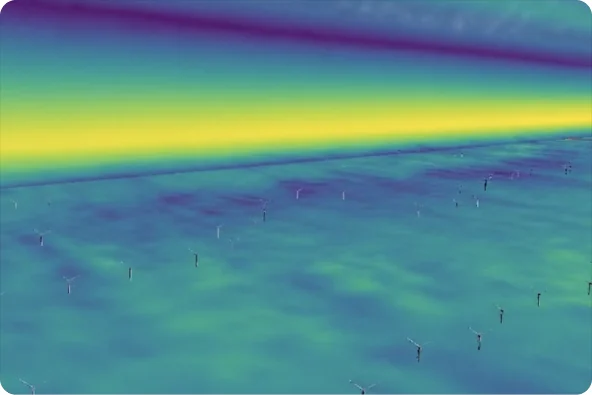
Whiffle combines large-scale weather data with GPU-accelerated LES, resolving turbulent atmospheric flow at a much finer scale than conventional weather models.

Simulate wind speed, direction and turbulence across an area rather than relying solely on observations at individual locations or regional model grid points.

Account for how terrain, vegetation, buildings and other surface features influence local airflow, including sheltering, acceleration and turbulent flow.

Drive LES simulations with historical weather conditions to investigate how the atmosphere developed during a particular competition or event.
Ahead of the 2026 World Rowing Championships, Whiffle and TU Delft used LES to investigate wind conditions across the Bosbaan rowing course in Amsterdam. The study examined how atmospheric boundary-layer conditions influence wind flow across the course.
Simulations showed that wind direction and strength can produce lane-dependent differences in wind exposure. The results provide organizers with evidence to consider when assessing competition fairness, lane allocation, race formats and scheduling.
Yes. Historical weather conditions can be used to drive LES simulations for a particular date or period, allowing local atmospheric conditions to be reconstructed and investigated.
Different course configurations and weather scenarios can be investigated, subject to the available site information and simulation setup.
Whiffle provides weather forecasting capabilities. The available forecast variables, spatial resolution, lead times and delivery approach depend on the event's requirements and the proposed forecasting setup.
Whiffle's modeling is particularly relevant to wind-sensitive sports, including rowing and sailing. Other outdoor sports and events may benefit where local atmospheric conditions affect competition, performance or operations.
The starting point is the location, area of interest and question being investigated. Depending on the application, relevant information may include course geometry, surrounding terrain, historical dates or the weather scenarios to be assessed.
Whether you're investigating lane fairness, analyzing race conditions or preparing for an upcoming event, our specialists can help determine what atmospheric modeling or forecasting can contribute to your assessment.
Meter-scale weather simulation for the sectors where weather drives decisions.
Peer-reviewed papers and technical reports
Articles and perspectives from our team
Conferences, webinars and on-demand recordings
Technical guides for the Whiffle platform
Get help from our team
Atmospheric science and Whiffle news in your inbox
Explore simulations from wind farms to city streets