
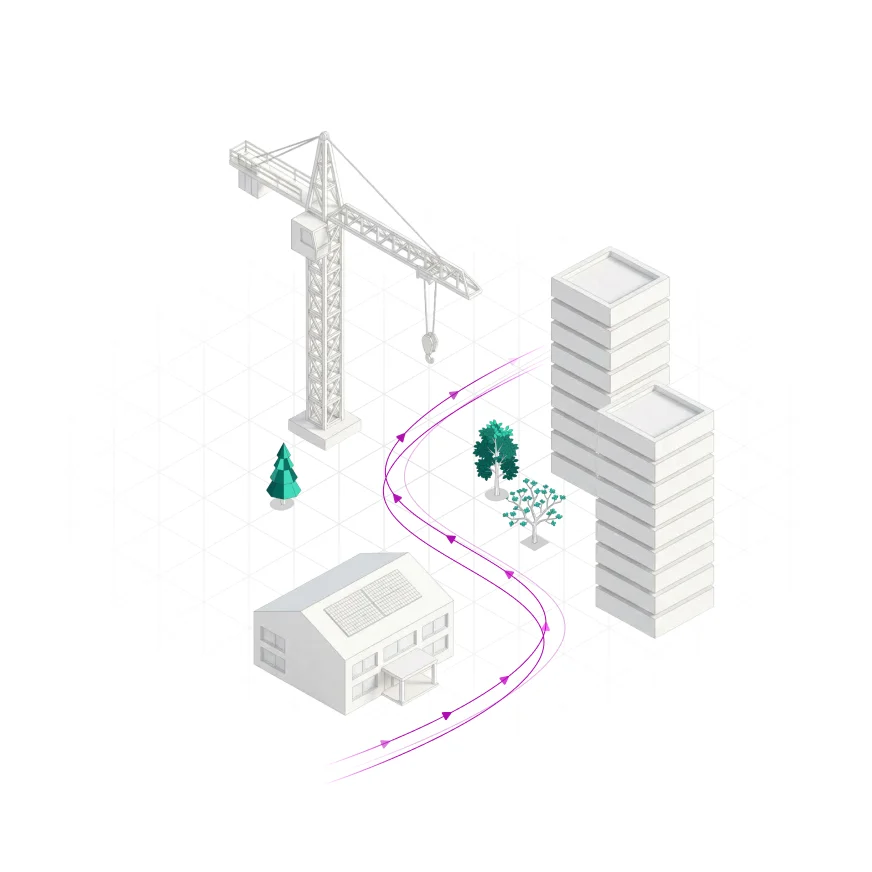
See the local wind around your design, from gusts at height to street-level downdrafts, so you design and build with fewer surprises.
Buildings and terrain reshape the wind. It’s pushed down tall facades, accelerates around corners and through passages, and turns gustier at street level.
Load calculations use generic norms, comfort studies assume steady wind, and regional forecasts don’t show conditions between buildings or at height.
Local wind flow and realistic atmospheric conditions drive wind loads, pedestrian comfort and safety, and whether site work can go ahead. On tall, exposed or densely built sites, missing them means redesigns, complaints and lost working days.
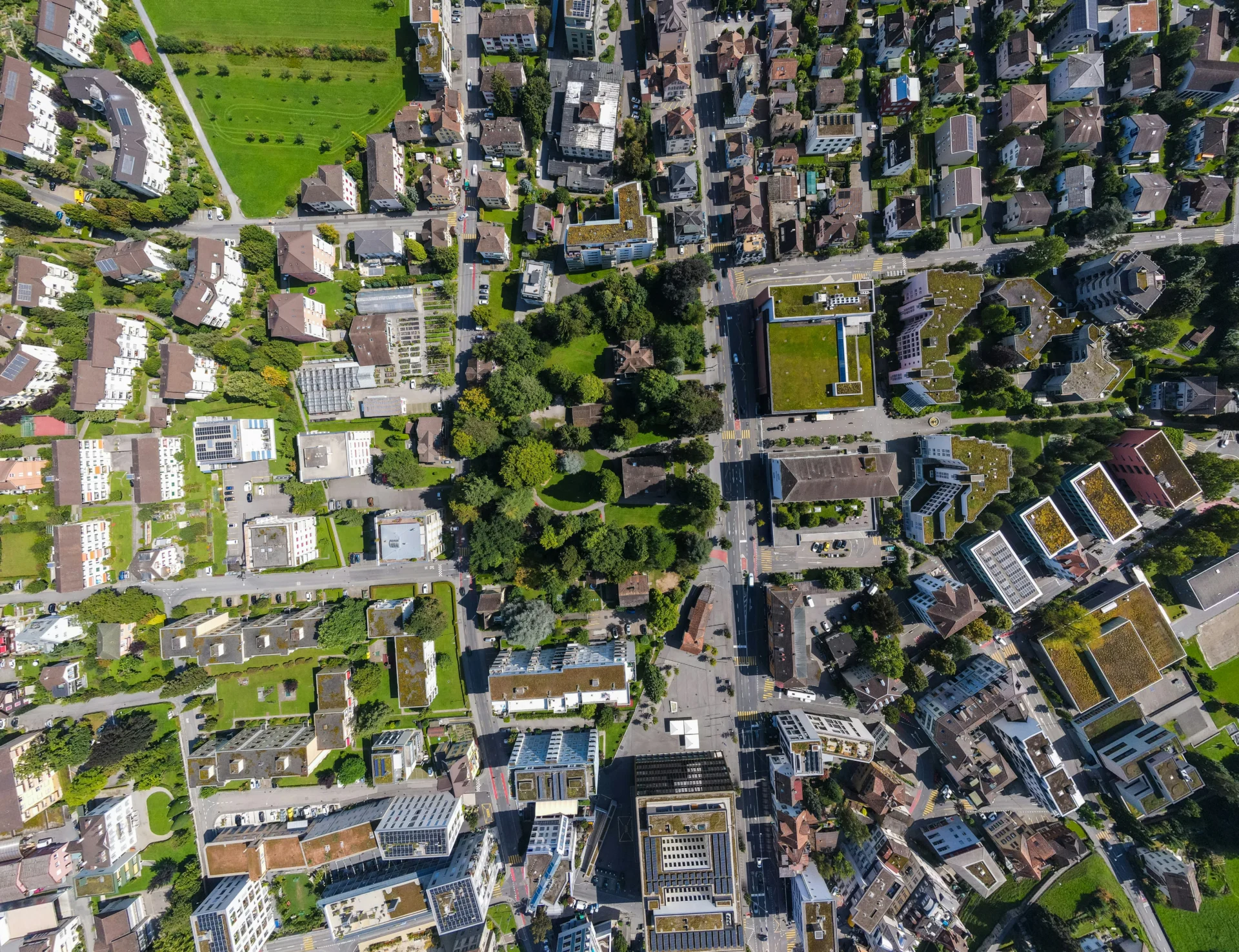
Assess how local wind affects structures, public spaces and weather-sensitive work, using high-resolution simulation of real weather.
For tall, exposed or densely surrounded structures, simulate local wind instead of relying on generic norms.
Assess pedestrian-level wind conditions around buildings and public spaces to identify acceleration, sheltering and areas of potential discomfort or safety concern.
Forecast local wind and gust conditions around construction sites, along exposed building façades, to inform planning for lifting operations and work at height.
Choose how you want to use Whiffle for your project.
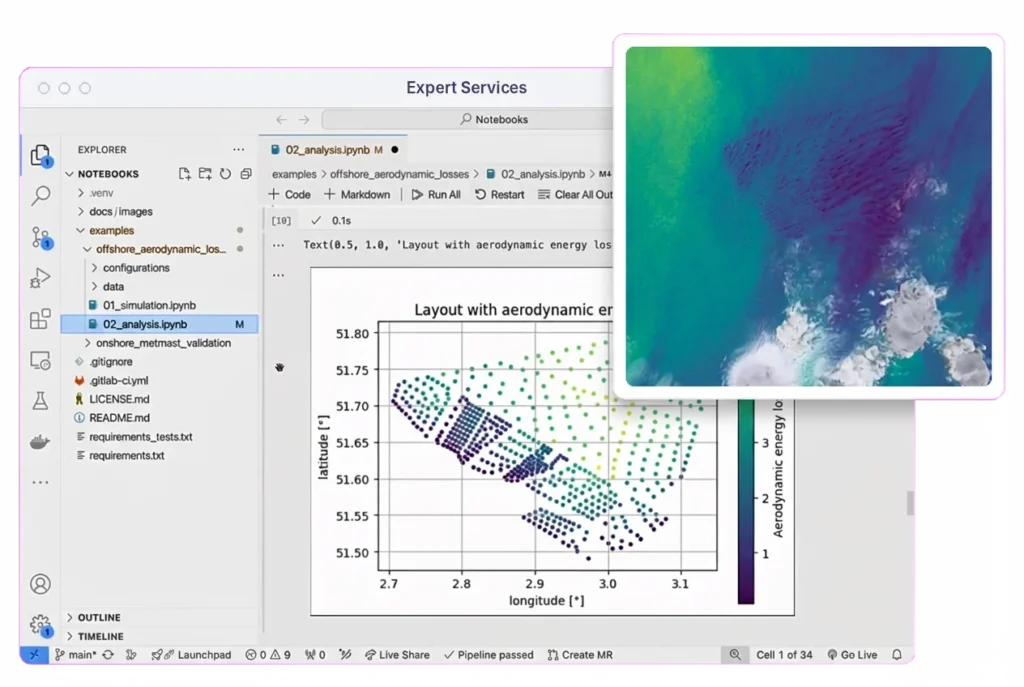
Our atmospheric scientists and engineers scope, run and analyze simulations for your site and design question.
Give your in-house experts the model to run bespoke cases on your own infrastructure.
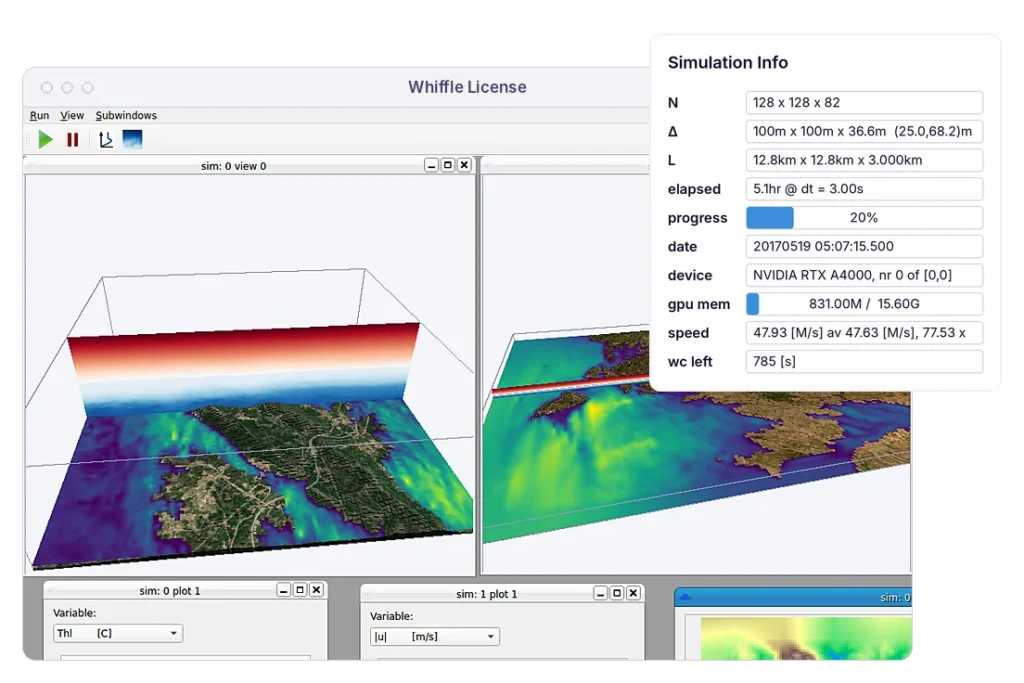
Most wind studies use one steady wind profile. Whiffle uses Large-Eddy Simulation (LES) to simulate the actual weather around your site, including the gusts, turbulence and stability a fixed profile misses.

GPU acceleration delivers simulations in minutes to hours, making it practical to compare building configurations and design alternatives within a single project.

The peaks in structural loads, comfort complaints and weather downtime simulated rather than estimated from averages.

See where wind accelerates and where it’s sheltered, building by building, at meter-scale resolution.
Whiffle LES of storm Nils around the EWI building on the Mekelweg in Delft, 18 April 2013, a day when cyclists were blown off their bikes near the building. Modeling the wind around a building in its real surroundings shows where nuisance builds up and supports design choices that reduce it.
What to know about using Whiffle for structural design, wind comfort and construction planning.
Whiffle complements established wind engineering methods by simulating local airflow within evolving atmospheric conditions. This provides additional insight into how changes in wind, turbulence and atmospheric stability influence conditions around buildings and infrastructure.
It is most relevant where local flow behavior influences the engineering decision, for example around complex structures, dense urban environments, complex terrain or weather-sensitive construction activities.
The Whiffle LES model supports nested simulations reaching meter-scale resolution, allowing detailed investigation of airflow around individual buildings and structures. Resolution and domain size depend on the project requirements.
Depending on the study, outputs can include wind speed, direction, gusts, turbulence and time-varying atmospheric conditions at specified locations and heights. Data formats and analysis outputs are agreed based on the engineering application.
Study timelines and costs depend on the size of the simulation domain, required resolution, scenarios and analysis. Contact our team to discuss the scope of your project.
Start with the project location, the engineering question and any available site or design information, such as building geometry, terrain data or proposed layouts. Our team can help define the appropriate simulation approach.
Explore the modeling approach, capabilities and expertise behind Whiffle’s civil engineering applications.
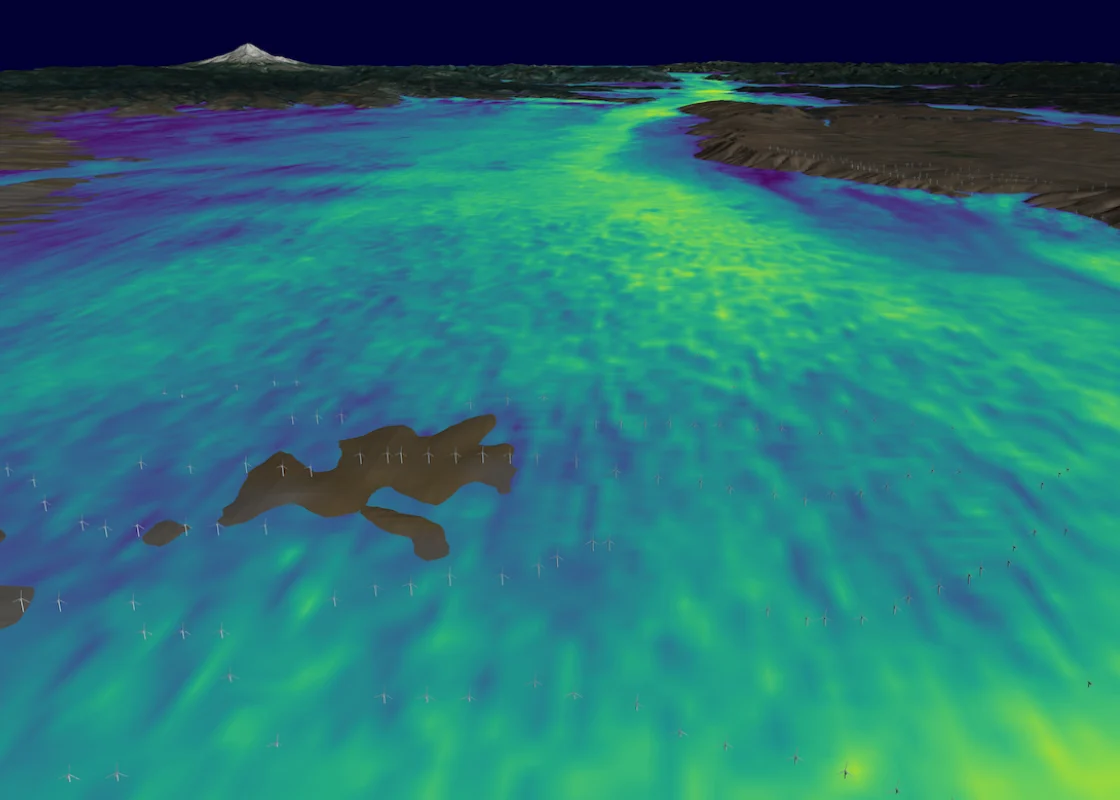

Learn how LES resolves turbulence and local flow within changing weather conditions.
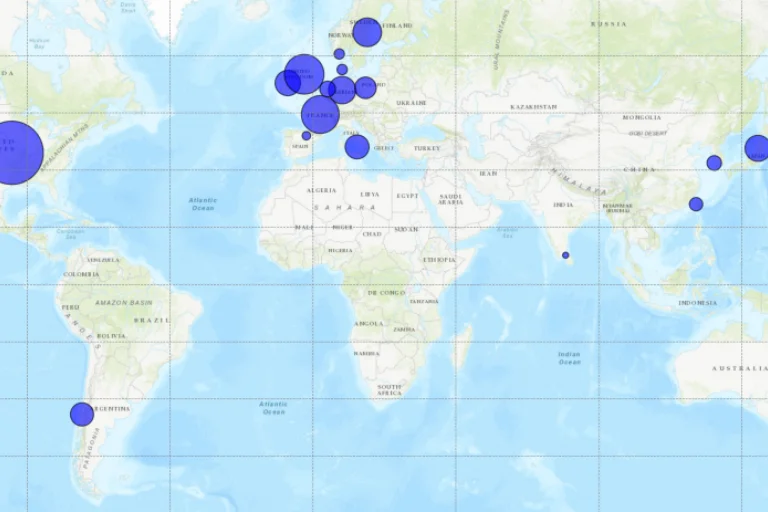
Explore the studies and benchmarks used to evaluate Whiffle’s modeling performance.
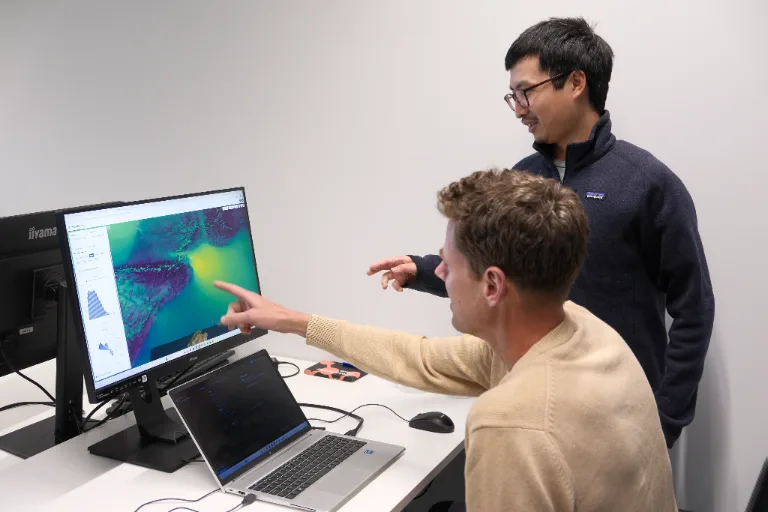
See how Whiffle scientists and engineers support custom modeling and analysis.
Bring us the structure, site or construction question you need to understand, and we’ll assess how atmospheric modeling could support the analysis.
Meter-scale weather simulation for the sectors where weather drives decisions.
Peer-reviewed papers and technical reports
Articles and perspectives from our team
Conferences, webinars and on-demand recordings
Technical guides for the Whiffle platform
Get help from our team
Atmospheric science and Whiffle news in your inbox
Explore simulations from wind farms to city streets